
SUNFARM ORGANICS serves buyers who need clear product details and dependable coordination when purchasing makhana in commercial quantities. A Wholesale Supplier of Makhana must understand that manufacturers, distributors, retailers, and food service businesses work to different schedules. Some need consistent grades for branded snack packs, while others require ingredients for recipes or repacking. Therefore, procurement should begin with a defined product brief, not simply a price request. Buyers can then compare specifications, quantities, packaging, and delivery terms before placing an order. This preparation also makes supplier discussions more focused and efficient, especially when several departments approve the same purchase.
Wholesale Supplier of Makhana Procurement Starts with Defined Needs
A Wholesale Supplier of Makhana should ask about the buyer’s application before suggesting available forms.
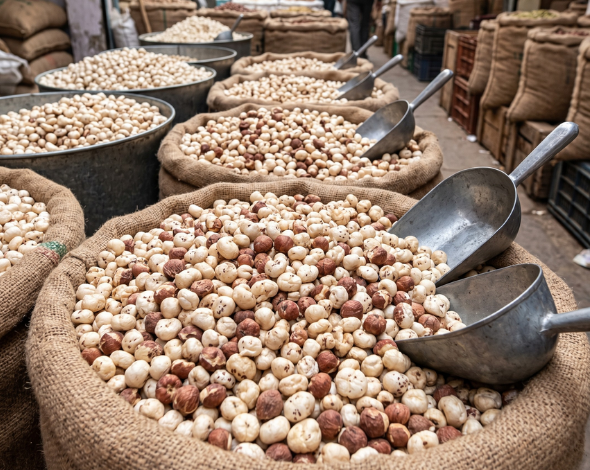
Retailers may prefer whole popped makhana with a consistent appearance. Snack manufacturers may need specific sizes for roasting and seasoning. Food processors could require broken pieces or powder for blended products.
Product Selection for Different Commercial Uses
Whole pieces may suit premium packaging, while smaller grades can work in recipes where uniform appearance is less important.
A Wholesale Supplier of Makhana should describe the offered grade accurately and explain whether the stock is suitable for the intended use. Sample approval gives production teams an opportunity to test the ingredient before committing to a larger consignment. A Wholesale Supplier of Makhana should make sample terms clear.
Consistency Depends on Handling and Storage
Makhana should remain protected from moisture, pests, dust, and strong odours. Clean storage areas and suitable packaging help preserve its texture and appearance.
Ask how batches are identified and how warehouse conditions are monitored. A Wholesale Supplier of Makhana with organised records can help trace stock and respond to quality questions. Buyers should also share their own storage conditions, since a suitable product can still deteriorate if the receiving warehouse is damp or poorly ventilated. A Wholesale Supplier of Makhana can then discuss practical precautions.
Packaging and Dispatch for Larger Orders
Bulk buyers may need food-grade inner liners and strong outer sacks. Retail brands may require smaller sealed packs with specific labelling.
Before confirming a purchase, discuss pack weights, pallet requirements, dispatch dates, freight responsibility, and delivery location. A Wholesale Supplier of Makhana should communicate realistic lead times instead of promising schedules without checking stock and transport capacity. Clear dispatch details help procurement teams plan warehouse space and production slots. A Wholesale Supplier of Makhana should confirm changes promptly.
Quality Records and Commercial Documentation
Buyers should review product descriptions, batch identification, net weight, invoices, packing details, and transport documents. Additional food safety or export documentation may apply depending on the destination and the buyer’s business model. Confirm applicable requirements with the relevant authorities before shipment.
Quality checks should follow written criteria agreed by both parties. A Wholesale Supplier of Makhana can also clarify whether inspection takes place before packing, during loading, or through an independent service, so the buyer understands the agreed quality-control responsibilities for every order, including result records.
Understanding the GI Tagged Makhana Supplier Requirement
A GI tagged makhana supplier may be important to buyers who need to make a verified geographical indication claim. A geographical indication connects a product with a recognised place of origin and specified characteristics under applicable registration rules. Buyers should check the registered name, authorised use, and supporting documents before using the claim on packaging or in advertising. They should also distinguish the origin of the raw makhana from the place where sorting, processing, or packing occurs. Accurate descriptions protect buyers from misleading origin statements.
SUNFARM ORGANICS and Supply Coordination
SUNFARM ORGANICS can help buyers begin a structured discussion around product form, grade, quantity, packaging, and destination. Sharing these details at the enquiry stage makes it easier to assess whether an offer fits the business requirement.
A Wholesale Supplier of Makhana should keep agreed details consistent across the quotation, sample approval, invoice, and dispatch documents. SUNFARM ORGANICS can support clear communication by discussing order expectations before confirmation. Buyers should record payment terms, minimum order quantities, delivery responsibilities, and procedures for reporting damaged or non-conforming goods.
A Practical Review Before Placing a Bulk Order
Then identify the grade and pack size that fit the operation. A Wholesale Supplier of Makhana can respond more accurately when the buyer provides these details.
Review the sample under normal working conditions. Check appearance and aroma, then test the product in the intended recipe or packing line. Confirm lead time, freight arrangements, payment milestones, and inspection terms in writing.
Building a Repeatable Purchasing Relationship
Buyers should communicate expected volume shifts, seasonal campaigns, and packaging updates. Suppliers can then review stock and production schedules before the next purchase cycle. A Wholesale Supplier of Makhana that maintains clear records can help make repeat orders more predictable.
After each delivery, compare the received lot with the approved sample and specification. Record any variation and discuss it promptly.
Conclusion
A Wholesale Supplier of Makhana should explain specifications clearly and coordinate each order against the buyer’s actual application. SUNFARM ORGANICS can support informed sourcing discussions through product information and organised communication. By confirming samples, written requirements, and commercial terms before dispatch, businesses can build a more consistent supply process and manage future orders with greater confidence.