

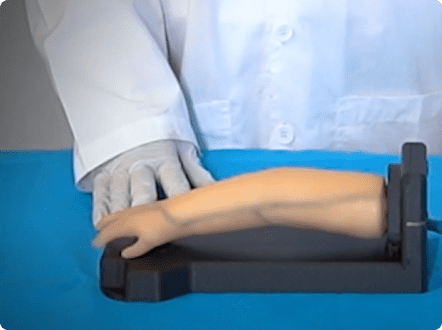
The Infant Iv Arm is an essential training tool designed to help healthcare professionals practice intravenous procedures on infant models in a safe and controlled environment. Pediatric IV access is a delicate and highly skilled medical procedure. Because infants have smaller and more fragile veins, proper training becomes crucial for nurses, paramedics, and medical students.
Healthcare simulation technology has transformed the way medical professionals learn clinical skills. Instead of practicing directly on patients, trainees can develop confidence through realistic simulation models. This approach significantly reduces risks and improves clinical competence.
MAVERICK SIMULATION SOLUTIONS LIMITED is a trusted provider of advanced medical training solutions that support modern healthcare education. Their Infant Iv Arm simulation model helps institutions deliver hands-on learning experiences that improve patient safety and procedural accuracy.
In this article, we will explore the importance, features, benefits, and applications of the Infant Iv Arm in medical training.
Understanding the Importance of Infant Iv Arm Training
Intravenous therapy is one of the most commonly performed medical procedures in hospitals. However, performing IV insertion in infants requires precision, patience, and proper technique.
Infants have tiny veins that can easily collapse or become damaged during incorrect insertion attempts. Because of this challenge, healthcare professionals must develop specialized skills before performing the procedure on real patients.
The Infant Iv Arm training model allows learners to practice repeatedly without causing discomfort to real infants. It also provides a realistic environment where students can understand vein positioning, needle angle, and proper catheter placement.
Medical institutions increasingly rely on simulation-based education to improve skill development. The Infant Iv Arm plays a vital role in building clinical confidence among trainees.
Key Features of Infant Iv Arm Training Models
The Infant Iv Arm is designed to replicate the anatomy and feel of an infant’s arm. Its realistic construction allows trainees to perform multiple practice sessions with accurate feedback.
One of the most important features of the model is its lifelike vein system. The veins are designed to simulate natural blood flow and resistance, allowing trainees to experience realistic IV insertion.
Another important feature is the soft and flexible skin layer. This design replicates the texture of infant skin and provides authentic tactile feedback during needle insertion.
Many Infant Iv Arm models also include replaceable skin and vein components. This allows medical training centers to extend the lifespan of the product and maintain consistent performance during repeated training sessions.
MAVERICK SIMULATION SOLUTIONS LIMITED focuses on creating durable and highly realistic simulation products that meet the needs of modern medical institutions.
Why Simulation-Based Pediatric Training Is Essential
Simulation-based training has become a cornerstone of healthcare education. Hospitals and medical schools around the world now incorporate simulation tools into their training programs.
The Infant Iv Arm provides a safe learning platform where students can practice clinical techniques without fear of harming patients. This allows them to focus entirely on skill development.
Another advantage is the ability to repeat procedures multiple times. Repetition helps learners master complex techniques and improves their confidence when performing real procedures.
Additionally, simulation training allows instructors to evaluate student performance and provide immediate feedback. This helps learners identify mistakes and correct them before entering clinical practice.
For pediatric care, simulation models like the Infant Iv Arm are especially important because real-world practice opportunities may be limited.
Benefits of Using Infant Iv Arm in Medical Training
Medical training institutions benefit greatly from incorporating Infant Iv Arm simulation models into their programs.
One major benefit is improved patient safety. When healthcare professionals are properly trained before working with real infants, the risk of complications is significantly reduced.
Another benefit is increased confidence among healthcare providers. Students who practice on realistic models are more prepared to handle real-life situations in hospitals and clinics.
The Infant Iv Arm also helps medical educators demonstrate proper techniques during training sessions. Instructors can guide students step by step and ensure they understand every aspect of the procedure.
Furthermore, simulation tools save time and resources by providing a structured training environment. Institutions can conduct multiple practice sessions without depending on clinical availability.
Through innovative medical simulation solutions, MAVERICK SIMULATION SOLUTIONS LIMITED supports healthcare training programs worldwide.
Applications of Infant Iv Arm in Healthcare Education
The Infant Iv Arm is widely used in various healthcare education settings. Medical schools and nursing colleges frequently incorporate this training model into their pediatric care courses.
Hospitals also use the model during staff training programs to improve IV insertion skills. New nurses and medical interns can practice procedures before working in neonatal or pediatric units.
Emergency medical training centers use the Infant Iv Arm to prepare paramedics and emergency responders for pediatric care situations.
In addition, healthcare workshops and clinical skill labs rely on this training model to teach safe intravenous therapy techniques.
Because pediatric IV procedures are highly specialized, access to realistic simulation tools is essential for effective learning.
How Infant Iv Arm Improves Clinical Competency
Clinical competency requires both theoretical knowledge and practical experience. While textbooks provide valuable information, hands-on practice is necessary to master medical procedures.
The Infant Iv Arm helps bridge the gap between theory and real-world practice. By performing IV insertions on the model, students learn how to position the needle correctly and identify veins accurately.
The model also allows trainees to experience the pressure and resistance associated with real IV insertion. This helps them understand the correct technique and avoid common mistakes.
Through continuous practice, healthcare professionals develop muscle memory and confidence. As a result, they become better prepared to handle real pediatric IV procedures in hospitals.
With advanced simulation tools from MAVERICK SIMULATION SOLUTIONS LIMITED, medical training programs can provide effective and realistic learning experiences.
Choosing the Right Infant Iv Arm Training Model
Selecting the right training model is important for achieving the best educational outcomes. Institutions should consider several factors when choosing an Infant Iv Arm simulation tool.
Realism is one of the most important considerations. The model should accurately replicate infant anatomy, including vein placement and skin texture.
Durability is another key factor. High-quality models should withstand repeated use without losing functionality.
Ease of maintenance is also important. Replaceable skin and vein components help extend the lifespan of the product and reduce long-term costs.
Finally, institutions should choose trusted manufacturers that specialize in medical simulation technology. Reliable providers ensure that training tools meet healthcare education standards.
The Future of Pediatric Simulation Training
Medical education continues to evolve with advancements in simulation technology. Modern training tools are becoming more realistic and interactive, providing better learning experiences for healthcare professionals.
The Infant Iv Arm represents an important step forward in pediatric training. By allowing students to practice complex procedures safely, it helps improve healthcare outcomes and patient safety.
Simulation-based learning is expected to play an even greater role in medical education in the coming years. Institutions that adopt innovative training solutions will be better prepared to train the next generation of healthcare professionals.
Companies like MAVERICK SIMULATION SOLUTIONS LIMITED are leading the way by developing advanced medical simulation tools that support effective clinical training.
Conclusion
The Infant Iv Arm is a vital training solution for healthcare professionals who need to develop pediatric IV insertion skills. With its realistic design and practical functionality, the model provides a safe environment for hands-on learning.
By incorporating Infant Iv Arm simulation models into medical training programs, institutions can improve skill development, increase confidence among healthcare providers, and enhance patient safety.
Simulation-based education has become an essential component of modern healthcare training. With high-quality products from MAVERICK SIMULATION SOLUTIONS LIMITED, medical institutions can ensure that students and professionals receive the practical experience they need to perform critical procedures with precision and care.
The continued adoption of tools like the Infant Iv Arm will help shape the future of pediatric healthcare education and contribute to better medical outcomes worldwide.