Organic Certification in India: A Complete Guide for Businesses and Farmers

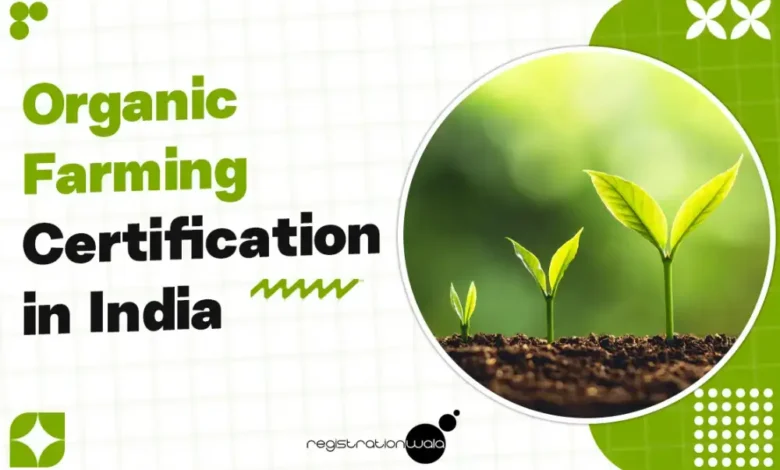
Organic farming has gained immense popularity in recent years due to growing consumer awareness about health, sustainability, and environmental impact. Organic Certification in India plays a crucial role in ensuring that agricultural products meet strict organic standards. For businesses, exporters, and farmers, understanding this certification process is essential for entering the organic market successfully.
What is Organic Certification in India?
Organic Certification in India is an official process that verifies agricultural products are grown and processed according to organic standards set by regulatory authorities. These standards prohibit the use of synthetic chemicals, pesticides, fertilizers, and genetically modified organisms (GMOs).
The certification ensures transparency, quality assurance, and trust among consumers. It is regulated under the National Programme for Organic Production (NPOP), which defines the standards and procedures for certification.
Importance of Organic Certification in India
Organic Certification in India is not just a regulatory requirement but also a strategic advantage. It helps businesses and farmers establish credibility and gain access to premium markets.
Key Benefits:
- Enhances product credibility and consumer trust
- Enables export opportunities in international markets
- Promotes sustainable and eco-friendly farming practices
- Fetches higher prices compared to conventional products
- Ensures compliance with national and global standards
Businesses working with often find it easier to navigate these benefits with expert guidance and streamlined processes.
Types of Organic Certification in India
There are primarily two types of Organic Certification in India depending on the scale and purpose:
1. NPOP Certification
The National Programme for Organic Production (NPOP) certification is essential for exports. It is recognized globally and ensures compliance with international standards.
2. PGS-India Certification
Participatory Guarantee System (PGS) is designed for small farmers and local markets. It is more affordable and community-based.
Choosing the right certification depends on your business goals, whether targeting domestic markets or international exports.
Process of Organic Certification in India
Understanding the process of Organic Certification in India is crucial for a smooth application. The process involves multiple steps:
Step 1: Application Submission
The farmer or business submits an application to an accredited certification body along with necessary details about farming practices and land history.
Step 2: Inspection
A certified inspector evaluates the farm, production methods, and compliance with organic standards.
Step 3: Conversion Period
The land undergoes a conversion period (usually 2-3 years) during which it must be managed organically before certification is granted.
Step 4: Certification Approval
After successful inspection and compliance verification, the certification body issues the organic certificate.
Step 5: Ongoing Compliance
Regular inspections and audits are conducted to ensure continued compliance.
With professional assistance from Jcs Acquistive Infotech, businesses can simplify this complex process and avoid common pitfalls.
Documents Required for Organic Certification in India
Proper documentation is a key part of Organic Certification in India. Some essential documents include:
- Application form
- Farm history records
- Organic system plan
- Soil and water test reports
- Input usage records
- Harvest and sales records
Maintaining accurate documentation ensures faster approval and minimizes delays.
Cost of Organic Certification in India
The cost of Organic Certification in India varies depending on factors such as farm size, certification type, and certification body.
Factors Affecting Cost:
- Size of land or production unit
- Type of certification (NPOP or PGS)
- Inspection and audit charges
- Documentation and consultancy fees
Although the initial investment may seem high, the long-term benefits outweigh the costs. Businesses often recover expenses through premium pricing and increased market demand.
Challenges in Obtaining Organic Certification in India
Despite its advantages, Organic Certification in India comes with certain challenges:
Common Challenges:
- Lengthy conversion period
- High initial costs
- Complex documentation requirements
- Lack of awareness among small farmers
- Strict compliance standards
However, working with experienced consultants like Jcs Acquistive Infotech helps overcome these challenges efficiently.
Role of Consultants in Organic Certification
Professional consultants play a vital role in simplifying the process of Organic Certification in India. They provide:
- End-to-end support for application and documentation
- Guidance on compliance and standards
- Assistance during inspections
- Faster approval with minimal errors
Jcs Acquistive Infotech has been assisting businesses and farmers in achieving certification with ease, ensuring a hassle-free experience.
How Organic Certification Boosts Business Growth
Organic Certification in India opens new growth opportunities for businesses. With increasing demand for organic products, certified businesses can:
- Expand into global markets
- Build a strong brand reputation
- Increase profitability
- Attract health-conscious consumers
This certification acts as a powerful marketing tool, helping businesses stand out in a competitive market.
Tips for Successful Organic Certification in India
To ensure success in obtaining Organic Certification in India, consider the following tips:
Best Practices:
- Maintain accurate and updated records
- Follow organic farming practices strictly
- Stay informed about regulatory changes
- Work with experienced consultants
- Prepare thoroughly for inspections
Consistency and compliance are key to achieving and maintaining certification.
FAQs
1. How long does Organic Certification in India take?
The process usually takes 2-3 years due to the mandatory conversion period required for land to become organic.
2. Is Organic Certification in India mandatory?
Yes, it is mandatory if you want to sell products as “organic” in regulated markets or export internationally.
3. Can small farmers apply for Organic Certification in India?
Yes, small farmers can apply under the PGS-India scheme, which is cost-effective and suitable for local markets.
4. What is the validity of Organic Certification in India?
The certification is valid for one year and requires annual renewal with inspections.
5. Can organic certification increase product value?
Yes, certified organic products often fetch higher prices due to increased consumer trust and demand.
Conclusion
Organic Certification in India is a vital step for farmers and businesses aiming to enter the growing organic market. It ensures quality, builds trust, and opens doors to both domestic and international opportunities. While the process may seem complex, proper guidance and planning can make it seamless.
With expert support from Jcs Acquistive Infotech, achieving Organic Certification in India becomes a structured and efficient journey. By adopting organic practices and meeting certification standards, businesses can contribute to a healthier environment while securing long-term growth and profitability.