
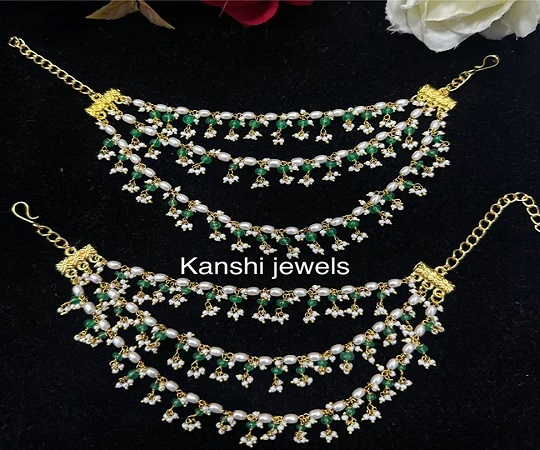
Jewellery adds character to an outfit and can make even a simple style feel special. Jadau Kundan Accessories bring a rich blend of traditional craftsmanship and graceful detail, making them a popular choice for festive dressing. Their intricate settings and heritage-inspired patterns create a refined appearance. They complement sarees, lehengas, anarkalis, and other ethnic outfits with ease. With the right colours and shapes, a chosen accessory can complete an elegant traditional look. Their versatile character makes them suitable for women who want traditional beauty with a polished, contemporary finish today.
Timeless Beauty of Jadau Kundan Accessories
Traditional jewellery remains popular because it carries a sense of history and artistry. Jadau Kundan Accessories combine detailed workmanship with an eye-catching finish. Kundan-style stones can reflect light beautifully, while jadau techniques add depth and decorative appeal. Together, these elements create distinctive pieces.
The designs can range from delicate earrings to elaborate necklaces, bangles, maang tikas, and rings. Women can select pieces according to the event and style. Classic motifs work especially well with traditional clothing, while lighter designs can add elegance to contemporary ethnic outfits.
Jadau Kundan Accessories for Festive Styling
Festivals are ideal occasions to bring out statement jewellery. Jadau Kundan Accessories can add sparkle to silk sarees, embroidered suits, and colourful lehengas. Balance is important. If the outfit already has heavy embroidery, choose one prominent jewellery piece and keep the remaining accessories refined.
For a simpler outfit, a detailed necklace or pair of earrings can create stronger visual impact. Matching jewellery tones with outfit colours can also improve coordination. Gold-inspired finishes pair naturally with warm shades, while colourful stones can introduce contrast.
Choosing the Right Jewellery Pieces
Selecting Jadau Kundan Accessories becomes easier when you consider the occasion, outfit, and neckline first. A broad necklace may suit an open neckline, while a shorter design can work well with a modest ethnic blouse. Earrings should complement the necklace rather than compete with it.
Think about wearing time before choosing, because comfort matters during long celebrations. Evening events allow richer designs with larger stones and more detail. Therefore, choose pieces that feel secure and easy to wear throughout the event.
Traditional Designs With Modern Appeal
Modern fashion has given traditional jewellery new styling possibilities. Jadau Kundan Accessories can feature cleaner shapes, smaller stones, and contemporary patterns. This makes them suitable for women who enjoy heritage-inspired fashion but prefer a lighter appearance.
Try pairing a traditional choker with a plain saree or wearing ornate earrings with a modern kurta. A statement ring can add personality without a complete set. These combinations allow classic craftsmanship to fit naturally into today’s wardrobes.
Kundan Wedding Jewellery Set for Bridal Dressing
A Kundan Wedding Jewellery Set can create a coordinated bridal appearance through matching necklaces, earrings, and complementary pieces. Detailed stonework gives the set a regal character, while traditional patterns enhance bridal outfits. It works especially well with richly embroidered lehengas and sarees. Brides can balance ornate jewellery with a simpler hairstyle, keeping the craftsmanship in focus.
Matching Jadau Kundan Accessories With Outfits
Colour coordination can make jewellery look more intentional. Jadau Kundan Accessories with red, green, pink, or blue stones can complement festive clothing while adding attractive contrast. When an outfit contains several colours, select jewellery that highlights one or two dominant shades.
Neckline shape also matters. Open necklines provide space for layered pieces, while high necklines may look better with earrings or a shorter necklace. Consider the fabric too. Silk and brocade can support heavier jewellery, whereas lightweight cotton often looks better with minimal designs.
Everyday Ethnic Styling Ideas
Although many traditional pieces are associated with celebrations, Jadau Kundan Accessories can also work for smaller occasions. Lightweight earrings, slim bangles, or a delicate pendant can enhance an everyday ethnic outfit. This approach lets you enjoy traditional details without making the look overly formal.
For office-friendly ethnic dressing, choose subtle designs and limit the number of accessories. For family lunches or festive gatherings, you can add more sparkle. This makes jewellery useful across your wardrobe.
Craftsmanship and Quality Details
Good jewellery should look attractive and feel dependable. When selecting Jadau Kundan Accessories, examine stone placement, metal finishing, clasps, and overall construction. Secure settings can help protect decorative stones, while smooth edges improve wearing comfort. Check care instructions before purchase.
At Kanshi Jewels, shoppers can explore traditional-inspired jewellery designed to complement special occasions and ethnic wardrobes. Consider design details instead of choosing only from a photograph. A well-made accessory should suit your style and use.
Care Tips for Long-Lasting Shine
Proper care helps preserve the appearance of Jadau Kundan Accessories. Keep jewellery away from perfumes, sprays, moisture, and harsh cleaning products. Put accessories on after applying cosmetics and fragrance. After wearing them, gently wipe the surface with a soft, dry cloth.
A soft pouch can provide protection. Avoid dropping jewellery or pulling delicate chains. For intricate pieces, follow the recommended cleaning method instead of using strong household solutions. Simple habits help maintain jewellery.
For occasions, Jadau Kundan Accessories can add graceful detail and lasting festive appeal.
Conclusion
Jadau Kundan Accessories offer a graceful way to bring traditional craftsmanship into modern ethnic fashion. Their detailed stones and versatile designs enhance festive and bridal looks. Consider comfort, colour, quality, neckline, and occasion when selecting pieces. Delicate or bold pieces can stand out with thoughtful styling. A carefully chosen collection can add lasting elegance to your wardrobe while preserving the charm of heritage-inspired Indian jewellery.