
Proper water management and containment are crucial in dam construction. One of the most effective solutions for ensuring dam integrity is the use of high-quality liners. Liner for dam lining provides a protective layer that prevents seepage, reduces maintenance costs, and enhances the structural stability of dams. MACRO SHEET INDIA LIMITED offers premium liners designed to meet the demanding requirements of modern water infrastructure projects.
Understanding Liner for Dam Lining
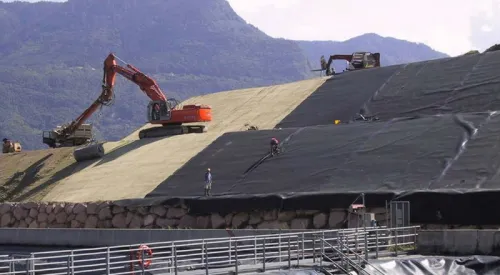
A liner in dam construction is a specially engineered material that prevents water from seeping through the soil or concrete structure. Typically made of high-density polymers or geosynthetic sheets, these liners provide excellent resistance against water, chemicals, and environmental wear. Incorporating liners in dams ensures effective water retention, minimizes soil erosion, and prolongs the lifespan of the structure.
Key Benefits of Using a Liner for Dam Lining
Using liners in dams brings numerous advantages. First, they provide effective waterproofing, which is essential for storing water safely and preventing leaks. Second, liners protect the dam’s structural components from environmental stress, chemical exposure, and erosion. Third, they are flexible and easy to install, making them suitable for various types of dams, whether earthen, concrete, or composite structures.
MACRO SHEET INDIA LIMITED ensures that all liners are manufactured to provide long-lasting performance while complying with environmental standards, ensuring both safety and sustainability.
Types of Liner for Dam Lining
There are several types of liners used in dam construction, depending on the project’s requirements:
- HDPE Liners: High-density polyethylene liners are strong, chemically resistant, and ideal for large-scale water storage dams.
- PVC Liners: Flexible and lightweight, PVC liners are suitable for small to medium-sized dams requiring reliable waterproofing.
- Geomembrane Liners: Geosynthetic liners are commonly used to stabilize soil and prevent seepage in dam embankments.
Selecting the right liner ensures effective containment, reduces water loss, and maintains the structural integrity of the dam.
Applications of Liner in Dam Construction
Liners play a crucial role in various parts of dam construction, including:
- Reservoirs and Water Storage Areas: Liners prevent seepage and water loss while maintaining water quality.
- Embankments and Foundations: Lining these areas prevents erosion and strengthens the structural base.
- Canals and Spillways: Liners protect the channels through which water flows, minimizing damage and reducing maintenance.
- Industrial and Irrigation Projects: Ensuring efficient water management and containment is critical for agricultural and industrial use.
Integrating liners strategically improves the performance, safety, and longevity of dam structures.
Installation Process of Liner for Dam Lining
Proper installation of liners is critical for effective water containment. The installation process typically involves:
- Surface Preparation: Ensuring that the area is clean, leveled, and free from debris or sharp objects that can damage the liner.
- Liner Placement: Unrolling and accurately positioning the liner over the designated surface.
- Sealing and Joining: Edges are sealed using heat welding or adhesives to prevent leaks and maintain uniform coverage.
- Inspection and Testing: Verifying that the liner is installed correctly, with no folds, tears, or gaps, ensures optimal performance.
MACRO SHEET INDIA LIMITED provides technical guidance and support for proper installation, helping projects achieve long-lasting and efficient water containment.
Advantages of Choosing MACRO SHEET INDIA LIMITED
Partnering with MACRO SHEET INDIA LIMITED guarantees high-quality liner solutions for dam construction projects. The company offers:
- Premium Materials: Liners made from durable, high-performance materials.
- Customized Solutions: Liners can be tailored to meet project-specific requirements.
- Technical Support: Expert assistance for installation, maintenance, and compliance with engineering standards.
- Environmentally Friendly Products: Sustainable manufacturing processes ensure eco-friendly solutions without compromising quality.
These advantages make MACRO SHEET INDIA LIMITED a trusted choice for water infrastructure projects.
Factors to Consider When Selecting a Liner
Selecting the appropriate liner for dam construction involves considering several factors:
- Material Strength and Durability: The liner must withstand hydrostatic pressure, chemical exposure, and environmental stress.
- Compatibility: Ensure that the liner works well with other materials used in dam construction.
- Cost Efficiency: Balancing performance and budget is essential for long-term project sustainability.
- Longevity: Durable liners reduce maintenance and extend the operational life of dams.
Evaluating these factors ensures that the chosen liner meets the functional and safety requirements of the dam project.
Environmental Benefits and Sustainability
Sustainability is a key consideration in modern dam construction. Liners from MACRO SHEET INDIA LIMITED are manufactured with environmentally friendly practices. The use of recyclable materials, energy-efficient production, and reduced chemical usage contributes to sustainable construction. By choosing eco-friendly liners, developers can ensure compliance with environmental standards while building durable and efficient water infrastructure.
Conclusion
In conclusion, a liner for dam lining is an essential component for preventing seepage, protecting structural components, and ensuring long-term water containment. Incorporating high-quality liners enhances durability, reduces maintenance, and supports sustainable water management. MACRO SHEET INDIA LIMITED provides premium liners engineered for modern dam construction, offering reliable, efficient, and eco-friendly solutions. Choosing the right liner is a proactive step toward building resilient and long-lasting water infrastructure.