

Persistent back pain, spinal instability, or nerve pressure can affect movement, work, sleep, and everyday activities.
For suitable patients, Spinal Fusion Surgery may provide a surgical option when careful evaluation shows that stabilizing part of the spine could improve symptoms and function. Treatment decisions should always depend on individual medical assessment.
Spinal fusion surgery is a procedure designed to join two or more spinal bones so they heal into a stable segment. Surgeons may use bone graft material and specialized implants to support the treated area while fusion develops. Doctors may consider spinal fusion surgery for selected conditions such as certain forms of spinal instability, deformity, fractures, or degenerative problems that have not responded adequately to appropriate non surgical care.
Common Reasons for Treatment
Back and neck conditions can have different causes. Some involve worn spinal discs, while others may involve abnormal movement between vertebrae, deformity, or pressure on nearby nerves. A specialist reviews symptoms and medical history to identify the source of discomfort.
In appropriate cases, spinal fusion surgery can help stabilize an affected section and support correction of structural problems. However, the expected benefits vary between patients. Doctors should explain the diagnosis, available alternatives, possible risks, and realistic treatment goals before recommending an operation.
Evaluation Before Surgery
A complete assessment helps the surgical team plan treatment. Doctors may review physical findings, previous treatments, medicines, and the duration of symptoms. Imaging tests such as X rays, MRI scans, or CT scans may provide additional information about the spine.
Before spinal fusion surgery, patients should share their complete medical history with the treating team. Details about allergies, previous operations, regular medicines, smoking, and other health conditions may affect preparation and recovery. Following preoperative instructions can also make the process more organized.
Surgical Planning and Techniques
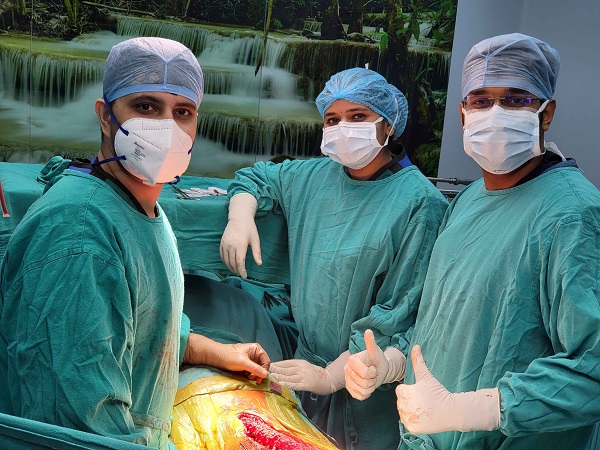
During spinal fusion surgery, the surgeon prepares the selected area and places suitable graft material and fixation devices when required. Screws, rods, cages, or other implants may help maintain alignment while the bones heal.
Modern techniques can vary based on the patient’s anatomy and clinical needs. Patients should ask their doctor to explain the planned technique, expected hospital stay, activity limits, and follow-up schedule.
Potential Benefits
The main goal of spinal fusion surgery is to create stability in a problematic spinal segment. In selected cases, stabilization may reduce pain linked to abnormal movement and support improved function. When nerve compression is also addressed, some patients may experience improvement in related symptoms.
Results depend on the underlying condition, general health, adherence to recovery instructions, and the healing response. Surgery should therefore be viewed as one part of a broader treatment plan rather than a guaranteed solution for every type of back pain.
Recovery After Surgery
Recovery takes time because bone fusion develops gradually. After spinal fusion surgery, patients may receive instructions about walking, lifting, bending, driving, medicines, wound care, and physical activity.
Early movement may be encouraged when appropriate, while heavy activities can remain restricted for a period. Follow-up visits allow the medical team to monitor healing and adjust activity recommendations.
Role of Rehabilitation
Rehabilitation can support recovery after surgery. Depending on the patient’s condition, a healthcare professional may recommend exercises that gradually improve strength, mobility, posture, and daily function. A structured program should match the stage of healing, especially after spinal fusion surgery when activity must increase gradually.
Safety and Possible Risks
Like other major procedures, spinal fusion surgery has potential risks. These can include infection, bleeding, blood clots, nerve injury, problems involving implants, or failure of the bones to fuse as intended. Individual risk varies with the procedure and the patient’s health.
A specialist should explain these risks before treatment. Patients should also understand warning signs after discharge, including worsening pain, fever, wound changes, weakness, or other concerning symptoms.
Choosing the Right Specialist
Choosing an experienced spine specialist is an important part of treatment planning. Patients should consider professional training, experience with the relevant condition, hospital facilities, diagnostic support, and follow-up services.
Dr Fazal Rehman focuses on evaluating spinal conditions and helping patients understand suitable treatment pathways. Patients can discuss their symptoms, reports, previous treatments, and concerns during consultation. The final treatment decision should always follow a qualified medical assessment.
Spine Specialist Kochi Support
Patients searching for a Spine specialist kochi may seek professional evaluation for persistent back or neck problems. A specialist can assess symptoms, review imaging, discuss non surgical options, and determine whether surgery may be appropriate.
Preparing for Consultation
Before spinal fusion surgery, patients should discuss expected outcomes, alternatives, recovery restrictions, follow-up needs, and possible complications. Understanding these details supports informed decision-making and helps set realistic expectations.
Patients should also discuss expected pain control, sleeping positions, work restrictions, driving, and the timing of routine activities. Clear instructions can make home recovery easier when appropriate and reduce avoidable setbacks.
Conclusion
Spinal conditions can affect mobility, comfort, and quality of life, but treatment should always match the individual’s diagnosis and goals. When appropriate, spinal fusion surgery can provide stability for selected spinal problems after careful evaluation.
With proper planning, specialist guidance, rehabilitation, and follow-up, patients can approach treatment with clearer expectations. Dr Fazal Rehman can help patients understand their spinal condition and available care options. Anyone considering spinal fusion surgery should seek a personalized assessment from a qualified medical professional before making a treatment decision.