

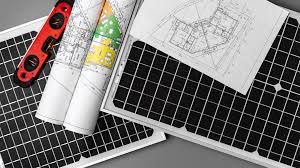
Solar Design Software is transforming how engineers, installers, and solar companies design photovoltaic systems. As solar energy demand continues to grow worldwide, accurate planning and system optimization have become essential for successful solar projects. Modern tools allow professionals to design solar systems quickly, simulate energy output, and create detailed project layouts with precision.
Companies like SurgePV are leading the way by providing innovative Solar Design Software that simplifies complex calculations and improves project efficiency. By using advanced digital tools, solar professionals can reduce design time, minimize errors, and maximize system performance.
In this guide, we will explore how Solar Design Software works, its key features, and why it has become essential for solar energy professionals.
What Is Solar Design Software?
Solar Design Software is a digital tool used to plan, simulate, and optimize solar photovoltaic systems. It allows engineers and solar installers to create accurate solar system layouts, estimate energy production, and evaluate system performance before installation begins.
Traditionally, solar system design required manual calculations and extensive field measurements. However, Solar Design Software automates these processes, enabling faster and more reliable system planning.
With advanced features such as shading analysis, panel layout optimization, and energy production simulations, Solar Design Software ensures that solar installations are both efficient and cost-effective.
Solutions developed by SurgePV help professionals manage complex solar projects with greater confidence and precision.
Why Solar Design Software Is Important
Solar installations involve many technical considerations. These include system sizing, panel orientation, shading conditions, energy consumption patterns, and local weather data. Without accurate analysis, a solar system may produce less energy than expected.
Solar Design Software helps eliminate these challenges by providing precise design tools and automated simulations.
Here are several reasons why Solar Design Software has become essential in the solar industry.
First, it improves design accuracy. Automated calculations ensure that system capacity, inverter selection, and panel placement are optimized.
Second, it saves time. Engineers can design complete solar systems within minutes instead of hours or days.
Third, it enhances project visualization. Solar professionals can create clear layouts and reports that help clients understand the project.
Fourth, it increases project efficiency. By identifying potential issues early in the design phase, Solar Design Software helps avoid costly installation mistakes.
Platforms developed by SurgePV provide solar companies with reliable tools to streamline their entire project workflow.
Key Features of Solar Design Software
Modern Solar Design Software includes a wide range of powerful features that make solar system planning easier and more efficient.
System Layout Design
One of the most important features is the ability to design solar panel layouts. Users can place panels on rooftops or ground installations and adjust orientation, tilt angles, and spacing.
This helps maximize solar exposure and optimize system performance.
Energy Production Simulation
Solar Design Software allows engineers to simulate how much electricity a system will generate throughout the year. These simulations are based on geographic location, weather data, and solar radiation patterns.
By using these insights, solar professionals can estimate system output and calculate return on investment.
Shading Analysis
Shading from trees, buildings, or other obstacles can significantly reduce solar performance. Solar Design Software performs shading analysis to identify areas that may block sunlight.
This feature helps designers position solar panels in locations where they will receive maximum sunlight.
Financial Analysis
Many Solar Design Software platforms also include financial tools. These tools calculate installation costs, system payback periods, and potential savings.
This information helps businesses and homeowners understand the long-term benefits of solar energy.
Automated Reporting
Solar projects often require detailed technical reports for clients and regulatory approvals. Solar Design Software automatically generates professional reports that include system layouts, performance estimates, and financial projections.
Solutions offered by SurgePV provide clear documentation that simplifies project approvals and client presentations.
Benefits of Using Solar Design Software
Solar Design Software provides several advantages that improve both technical accuracy and business efficiency.
Faster Project Planning
Solar professionals can design systems quickly using automated tools and built-in calculations. This reduces project turnaround time and allows companies to handle more clients.
Improved System Efficiency
By analyzing solar radiation, shading, and panel placement, Solar Design Software helps designers create systems that generate maximum energy.
Better Customer Communication
Detailed visuals and reports make it easier for customers to understand how solar installations work. Clear presentations build trust and improve decision-making.
Reduced Design Errors
Manual calculations often lead to mistakes. Solar Design Software eliminates many of these risks by automating complex calculations and ensuring accurate system sizing.
Scalable Project Management
As solar companies grow, managing multiple projects becomes more challenging. Solar Design Software helps businesses organize design data, project documents, and system simulations in one place.
Companies such as SurgePV provide reliable digital solutions that support both small installers and large solar developers.
How Solar Design Software Improves Solar Installations
Solar Design Software improves every stage of a solar project. From initial planning to final installation, digital tools help teams work more efficiently.
During the planning stage, engineers can analyze building structures, roof orientation, and shading conditions. This helps determine whether a site is suitable for solar installation.
During the design stage, Solar Design Software generates accurate system layouts and calculates expected energy production.
During the proposal stage, installers can present professional reports to customers. These reports include performance forecasts and cost analysis.
By improving each step of the process, Solar Design Software helps solar companies deliver higher quality installations.
Choosing the Right Solar Design Software
Selecting the right Solar Design Software depends on several factors. Solar companies should consider the following aspects when evaluating different platforms.
First, ease of use is important. Software should have a simple interface that allows designers to create layouts quickly.
Second, simulation accuracy is essential. Reliable software must provide precise energy production estimates based on real environmental data.
Third, integration capabilities matter. Solar companies often use multiple tools for project management and sales. Solar Design Software should integrate with these systems.
Fourth, scalability is important for growing solar businesses. A flexible platform should support both small residential installations and large commercial projects.
Platforms developed by SurgePV focus on providing user-friendly design tools while maintaining high technical accuracy.
The Future of Solar Design Software
The solar energy industry is evolving rapidly, and Solar Design Software is becoming more advanced every year. New technologies such as artificial intelligence, machine learning, and real-time performance monitoring are transforming solar system design.
Future Solar Design Software platforms will likely offer automated site analysis, advanced predictive modeling, and enhanced integration with smart energy systems.
These innovations will allow solar companies to design systems even faster while improving performance accuracy.
Companies like SurgePV continue to develop innovative solutions that help solar professionals stay competitive in a growing renewable energy market.
Conclusion
Solar Design Software has become an essential tool for modern solar energy professionals. By simplifying system planning, improving design accuracy, and providing detailed simulations, these tools help solar companies deliver better installations and higher energy efficiency.
From system layout design to energy production forecasting, Solar Design Software enables engineers and installers to optimize solar projects with confidence.
With innovative solutions developed by SurgePV, solar professionals can design reliable photovoltaic systems, reduce project risks, and deliver better results for their clients.
As solar energy adoption continues to grow worldwide, Solar Design Software will remain a critical technology that supports the expansion of sustainable energy solutions.