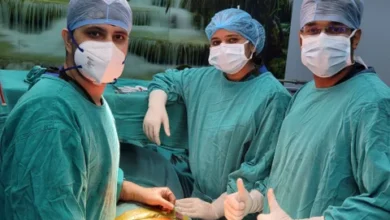

Spinal problems can affect physical comfort, movement and the ability to enjoy everyday activities. Persistent back or neck pain may also interfere with professional responsibilities, sleep and personal independence. Understanding modern treatment options is therefore important for people experiencing ongoing spinal difficulties. Choosing the best endoscopic spine surgeon requires careful consideration of medical expertise, diagnosis and treatment suitability. Dr Fazal Rehman highlights the importance of informed decisions and individualised spinal care. With appropriate evaluation, patients can explore advanced treatment approaches designed to address specific conditions while supporting mobility and overall quality of life.
Understanding Endoscopic Spine Surgery
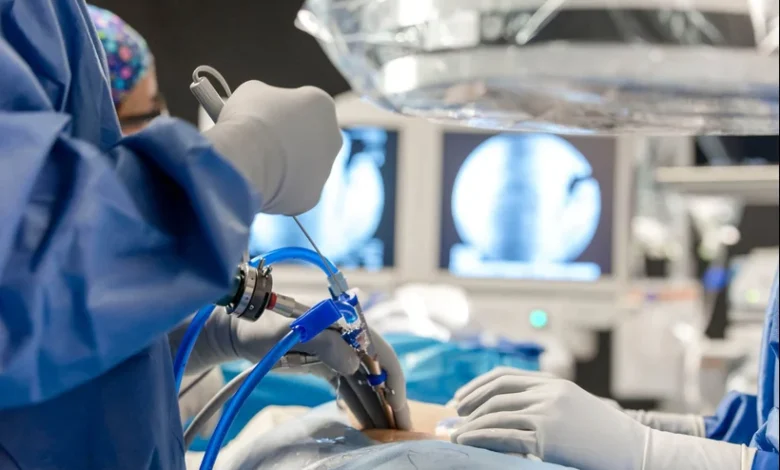
Best Endoscopic Spine Surgeon is a minimally invasive technique used to manage selected spinal conditions. It involves specialised instruments and a small camera that allows the surgeon to view the treatment area through a limited incision.
Unlike conventional open procedures, this approach aims to reduce disruption to surrounding muscles and soft tissues. The surgeon uses real-time visual guidance to access the affected spinal structure and perform the required procedure.
Patients researching the best endoscopic spine surgeon should understand that this technique is not suitable for every spinal condition. The final decision depends on the diagnosis, location of the problem, spinal anatomy and overall health. A detailed consultation helps determine whether an endoscopic approach offers an appropriate option.
Best Endoscopic Spine Surgeon and Treatment Expertise
Selecting the best endoscopic spine surgeon involves evaluating professional qualifications, specialised training and experience with relevant procedures. Patients should also consider how clearly a specialist explains the diagnosis and available treatment choices.
Dr Fazal Rehman emphasises the importance of understanding each patient’s medical requirements before discussing an intervention. A proper evaluation helps identify the affected spinal structures and determine whether conservative care or surgery may be appropriate.
Patients should discuss the expected benefits, possible complications and recovery requirements before proceeding. Furthermore, understanding alternative treatments helps individuals make informed decisions about their healthcare.
The right specialist should encourage open communication and provide realistic information rather than promise identical results for every patient.
Conditions That May Require Endoscopic Treatment
Several spinal conditions may be considered for Best Endoscopic Spine Surgeon procedures after careful assessment. One common example is a herniated disc, which develops when disc material moves beyond its normal position and may irritate nearby nerves.
This condition can produce back pain, leg discomfort, tingling or numbness. In selected cases, endoscopic techniques may help remove the material responsible for nerve irritation.
Other possible conditions include certain forms of nerve compression and foraminal stenosis. These problems can narrow the spaces through which spinal nerves travel, sometimes causing pain or weakness.
However, treatment suitability varies considerably. The best endoscopic spine surgeon evaluates imaging findings alongside physical symptoms before recommending any procedure.
Benefits of Minimally Invasive Spine Procedures
Minimally invasive techniques aim to treat specific spinal problems while limiting unnecessary disruption to surrounding tissues. Their suitability depends on the condition and the procedure being considered.
Potential advantages may include smaller incisions, reduced muscle damage and less postoperative discomfort in appropriately selected patients. Some individuals may also experience shorter hospital stays and an earlier return to routine activities.
Nevertheless, these outcomes are not guaranteed. Recovery varies according to the patient’s health, the complexity of the condition and the type of intervention performed.
People considering the best endoscopic spine surgeon should discuss realistic expectations instead of assuming that minimally invasive surgery always provides better results.
Diagnostic Assessment Before Spine Surgery
Accurate diagnosis plays an essential role in successful treatment planning. A specialist generally begins by reviewing symptoms, previous medical treatment and the patient’s overall health.
Physical and neurological examinations can help identify movement restrictions, changes in sensation and possible nerve involvement. Depending on the findings, imaging investigations such as MRI or CT scans may provide additional information about spinal structures.
These assessments help determine whether symptoms originate from a disc problem, nerve compression or another condition. They also help establish whether surgery is necessary.
The best endoscopic spine surgeon considers the complete clinical picture rather than relying on imaging results alone. This approach supports more appropriate treatment decisions.
Back Pain Specialist in Kerala
A Back Pain Specialist in Kerala helps individuals understand persistent discomfort and identify possible conditions affecting the spine. Professional assessment may involve reviewing medical history, evaluating movement and recommending suitable investigations. Depending on the diagnosis, patients may receive guidance about medication, physiotherapy, rehabilitation or advanced surgical options. Persistent pain, restricted mobility and symptoms extending into the legs deserve proper attention. Seeking timely medical advice can help identify the underlying problem and establish an appropriate management plan based on individual health requirements.
Recovery and Rehabilitation After Endoscopic Surgery
Recovery following an Best Endoscopic Spine Surgeon procedure depends on the condition treated and the patient’s individual health. Although minimally invasive techniques may reduce tissue disruption, proper postoperative care remains important.
Patients should follow the surgeon’s instructions regarding walking, physical activity, wound care and medication. Returning to demanding activities too early may interfere with recovery.
Physiotherapy may also form part of the rehabilitation process. Guided exercises can gradually improve flexibility, strengthen supporting muscles and encourage safer movement patterns.
The best endoscopic spine surgeon should explain the expected recovery process and recommend appropriate follow-up appointments. Patients should report unusual pain, fever, wound problems or new neurological symptoms promptly.
Maintaining Long-Term Spinal Health
Treatment is only one part of maintaining a healthy spine. Everyday habits can also influence physical comfort and spinal function.
Regular walking and suitable strengthening exercises help support the muscles surrounding the spine. Maintaining a healthy weight may reduce unnecessary mechanical stress, while proper lifting techniques can prevent avoidable injuries.
People who work at desks should adjust their seating arrangements and take regular movement breaks. Additionally, adequate sleep and a balanced lifestyle support general wellbeing.
Dr Fazal Rehman encourages individuals to understand their spinal health and follow appropriate professional guidance. Consistent attention to posture, movement and rehabilitation can contribute to better long-term physical function.
Conclusion
Modern spinal procedures have created additional treatment possibilities for selected conditions that affect nerves, discs and surrounding structures. However, accurate diagnosis and careful patient selection remain essential. Finding the best endoscopic spine surgeon involves considering specialised expertise, transparent communication and an individual approach to treatment. Dr Fazal Rehman highlights the importance of understanding available options before making medical decisions. Through appropriate assessment, suitable interventions and guided rehabilitation, patients can work towards improved mobility and better spinal health. Making informed choices today can support a more confident approach to long-term spine care.