

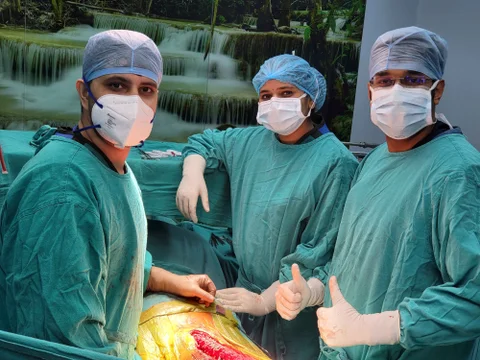
Persistent back pain, nerve symptoms, spinal instability, and deformity can affect movement and independence. In selected cases, spinal fusion surgery may help stabilise the spine and reduce painful movement between damaged vertebrae. The procedure joins two or more spinal bones so they heal into a stronger, more stable unit. Dr Fazal Rehman provides specialist spine care with experience in minimally invasive, endoscopic, robotic, and complex procedures. A detailed assessment is essential because surgery may not be suitable for every patient. Treatment should match the diagnosis, symptoms, imaging findings, general health, and recovery goals.
Spinal Fusion Surgery and Its Purpose
The spine contains separate vertebrae that normally move together while protecting nerves and supporting the body. Injury, disc degeneration, deformity, infection, or abnormal movement can reduce spinal stability. Fusion uses bone graft material and, when required, screws, rods, cages, or plates to hold the vertebrae in position while healing occurs.
The main purpose of spinal fusion surgery is to improve stability, correct alignment, reduce abnormal movement, and protect affected nerves. It may be considered for conditions such as spondylolisthesis, scoliosis, spinal fractures, severe degeneration, stenosis, or selected recurrent disc problems.
Patients should understand that fusion limits movement at the treated level. The surgeon must balance stability with flexibility and choose the smallest appropriate treatment area.
Conditions That May Need Fusion
Not every spinal condition requires fusion. Doctors usually begin with medicines, physiotherapy, exercise, injections, activity changes, or observation when these options are suitable. Surgery may be discussed when symptoms continue despite appropriate non-surgical care.
Spinal instability can cause persistent pain, abnormal movement, or nerve compression. Spondylolisthesis may occur when one vertebra slips forward over another. Scoliosis and other deformities can change balance and place extra stress on the spine. Fractures, infections, tumours, and severe degeneration may also affect stability.
According to MedlinePlus, fusion can be used for fractures, infection-related weakness, spondylolisthesis, abnormal curvature, arthritis, and spinal stenosis. The source also notes possible complications, including infection, bleeding, nerve injury, and problems involving nearby spinal levels.
Advanced Treatment by Dr Fazal Rehman
Dr Fazal Rehman is associated with microendoscopic, robotic, and minimally invasive spine surgery at Starcare Hospital in Kozhikode. His professional profile identifies experience in advanced spine procedures and specialist training in spine surgery.
A reported procedure at Starcare Hospital involved endoscopic transforaminal lumbar interbody fusion using a 3D-printed titanium implant. The operation was described as a technology-assisted spinal stabilisation procedure led by Dr Fazal Rehman.
Modern techniques may reduce tissue disruption in selected cases. However, a minimally invasive method is not automatically better for every patient. The recommended approach depends on spinal anatomy, instability, nerve pressure, previous surgery, and overall medical condition.
How Doctors Plan the Operation
Planning begins with a detailed medical history and physical examination. The surgeon may review pain location, weakness, numbness, walking difficulty, posture, reflexes, and daily limitations. X-rays can show alignment and instability, while MRI or CT scans provide information about discs, nerves, bones, and spinal structures.
The doctor may also evaluate bone strength, diabetes, heart and lung health, medicines, allergies, previous operations, and infection risks. These factors influence the procedure, anaesthesia plan, implant selection, and recovery pathway.
Before spinal fusion surgery, patients should ask about the recommended levels, surgical approach, expected correction, hospital stay, pain control, rehabilitation, cost, and alternatives. Clear communication supports informed consent.
Minimally Invasive Fusion Options
Some fusion procedures can be performed through smaller incisions using specialised instruments, cameras, navigation, or robotic assistance. These methods may reduce muscle disruption and support earlier mobilisation in suitable patients. They can also help surgeons work through carefully planned access routes.
Endoscopic transforaminal lumbar interbody fusion is one example of a minimally invasive fusion technique. The approach may involve removing damaged disc material, decompressing nerves, placing an implant, and stabilising the affected segment.
Spinal fusion surgery should be selected according to clinical need rather than marketing language. A larger open operation may be safer or more effective for severe deformity, extensive instability, revision surgery, or complex anatomy.
Preparing for Treatment
Preparation depends on the operation and the patient’s health. The medical team may request blood tests, imaging, heart evaluation, and anaesthesia clearance. Patients should provide a complete list of medicines, including blood thinners, supplements, and pain medication.
Smoking can interfere with bone healing, so patients should ask for professional support about stopping before surgery. The team may also give instructions about fasting, bathing, medicine timing, and hospital admission.
Before spinal fusion surgery, arrange transport and help at home. Prepare a safe sleeping area, loose clothing, prescribed medicines, and support for meals and household tasks during early recovery.
Recovery and Rehabilitation
Recovery differs according to the spinal level, number of fused segments, surgical method, age, fitness, and general health. Some patients begin walking soon after surgery, while others require longer observation. Pain, stiffness, fatigue, and temporary activity restrictions are common during early healing.
Physiotherapy may improve posture, strength, balance, flexibility, and safe movement. Patients should follow instructions about lifting, bending, driving, work, exercise, and brace use. Bone fusion can take several months, so improvement may continue gradually.
Mayo Clinic states that hospital stay is commonly two to three days and that bone healing may take several months, although individual recovery varies. Follow-up visits remain important for monitoring progress and alignment.
Risks and Safety Considerations
Every major operation involves potential risks. These may include infection, bleeding, blood clots, anaesthesia problems, nerve injury, spinal fluid leakage, persistent pain, implant failure, non-union, or the need for additional surgery. Fusion may also reduce movement at the treated levels and increase stress on neighbouring segments over time.
Patients should discuss personal risks with the surgeon. Diabetes, osteoporosis, smoking, obesity, previous operations, and other medical conditions can influence healing. Contact the medical team promptly if fever, wound discharge, worsening weakness, severe pain, or new bladder and bowel problems occur.
Those searching for the best endoscopic spine surgeon should compare verified qualifications, relevant fusion experience, hospital facilities, emergency support, communication, and rehabilitation services. Online claims should never replace a medical consultation.
Choosing Specialist Support
A suitable spine programme combines accurate diagnosis, experienced surgery, anaesthesia care, nursing support, imaging, rehabilitation, and follow-up. Dr Fazal Rehman is associated with Starcare Hospital near Thondayad Junction, Kozhikode, Kerala. Patients should verify appointment procedures, costs, treatment details, and hospital arrangements through official channels.
A second opinion can be helpful when surgery is complex or when patients feel uncertain about the recommendation. The final decision should follow a clear discussion of benefits, risks, alternatives, and expected recovery.
Conclusion
Spinal fusion surgery may help selected patients with instability, deformity, severe degeneration, fractures, or persistent nerve-related symptoms. Dr Fazal Rehman offers advanced spine care involving minimally invasive, endoscopic, robotic, and stabilisation techniques at Starcare Hospital.
Patients should complete a detailed evaluation, understand non-surgical choices, discuss possible complications, and follow a personalised rehabilitation programme. When diagnosis, surgical planning, hospital support, and recovery care work together, spinal fusion surgery can support better stability, movement, comfort, and long-term spinal function for suitable patients.