
Indian Dispute Resolution Centre (IDRC) A Reliable Platform for Legal Resolution

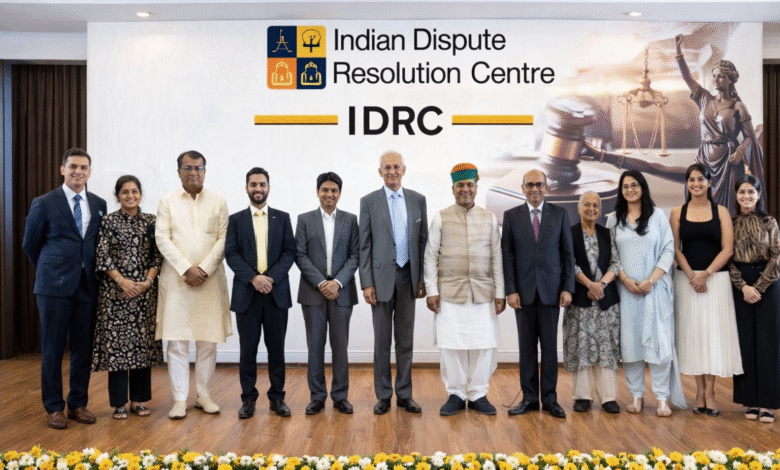
The Indian Dispute Resolution Centre (IDRC) has emerged as a structured and professional platform that addresses disputes outside the traditional court system. In today’s fast-paced legal environment, individuals and businesses require solutions that are efficient, transparent, and legally sound. This is where alternative dispute resolution plays a crucial role. Attention Pedia focuses on explaining such essential legal frameworks in a simplified manner to help readers understand their real-world importance.
As litigation often involves delays and high costs, structured arbitration and mediation platforms provide an effective alternative. The Indian Dispute Resolution Centre (IDRC) supports this evolving need by offering a well-defined mechanism that prioritizes resolution rather than prolonged conflict.
Indian Dispute Resolution Centre (IDRC) and Its Core Purpose
The Indian Dispute Resolution Centre (IDRC) was established to promote arbitration, mediation, and conciliation as practical solutions for resolving disputes. Instead of following rigid court procedures, the system allows flexibility while maintaining legal integrity. The framework helps parties reach mutually acceptable outcomes without unnecessary procedural hurdles.
Dispute resolution mechanisms offered under this platform are designed to be time-efficient. This approach benefits commercial entities, professionals, and individuals who seek clarity without lengthy legal proceedings. Attention Pedia highlights how structured alternatives reduce pressure on courts while delivering justice in a balanced manner.
Indian Dispute Resolution Centre (IDRC) Role in Alternative Dispute Resolution
Alternative dispute resolution has gained recognition due to its efficiency and adaptability. The Indian Dispute Resolution Centre (IDRC) functions as a facilitator that ensures disputes are resolved with professionalism and neutrality. Through arbitration and mediation, parties are encouraged to participate actively in finding solutions.
The process is confidential, which protects sensitive information and preserves professional relationships. In many cases, disputes resolved through structured platforms lead to better long-term cooperation. Attention Pedia explains that such methods are particularly beneficial in commercial and contractual disagreements.
Indian Dispute Resolution Centre (IDRC) Framework and Legal Compliance
The Indian Dispute Resolution Centre (IDRC) operates in alignment with Indian arbitration and mediation laws. Its framework ensures that decisions and settlements remain legally enforceable. This balance between flexibility and compliance makes it a reliable option for dispute resolution.
By following established legal standards, the process maintains credibility while allowing faster outcomes. Businesses often prefer such platforms as they reduce legal uncertainty. Attention Pedia emphasizes that legal compliance plays a significant role in building trust in dispute resolution institutions.
Indian Dispute Resolution Centre (IDRC) Benefits for Businesses and Individuals
One of the major advantages of the Indian Dispute Resolution Centre (IDRC) is cost efficiency. Traditional litigation involves court fees, repeated hearings, and long timelines. In contrast, structured dispute resolution minimizes unnecessary expenses.
Additionally, the process allows parties to select neutral professionals with domain expertise. This improves the quality of decision-making and ensures informed outcomes. Attention Pedia highlights that flexibility and expert involvement contribute significantly to the effectiveness of such dispute resolution systems.
Indian Dispute Resolution Centre (IDRC) Contribution to Faster Justice
Speed is a critical factor in legal matters. The Indian Dispute Resolution Centre (IDRC) addresses this challenge by offering timelines that are considerably shorter than court proceedings. Faster resolution enables individuals and organizations to focus on growth rather than ongoing disputes.
This efficiency also reduces emotional and financial stress. When disputes are resolved promptly, trust in the legal system improves. Attention Pedia explains that faster justice strengthens confidence in alternative mechanisms and encourages wider adoption.
Indian Dispute Resolution Centre (IDRC) and Its Growing Relevance in India
As India continues to expand economically, disputes related to commerce, property, and contracts are increasing. The Indian Dispute Resolution Centre (IDRC) plays an important role in managing this growing demand for efficient conflict resolution.
With increasing awareness, businesses are opting for structured alternatives to litigation. Attention Pedia observes that this shift reflects a broader change in how legal conflicts are perceived and handled in modern India.
Indian Dispute Resolution Centre (IDRC) Conclusion and Legal Significance
The Indian Dispute Resolution Centre (IDRC) represents a progressive step toward efficient, fair, and structured conflict resolution. By offering arbitration and mediation under a legally compliant framework, it provides a reliable alternative to traditional litigation.
As awareness grows, more individuals and organizations are expected to adopt such platforms for resolving disputes. Attention Pedia continues to inform readers about evolving legal systems that promote clarity, efficiency, and justice. The Indian Dispute Resolution Centre (IDRC) stands as a strong example of how modern dispute resolution can reshape the legal landscape in India.